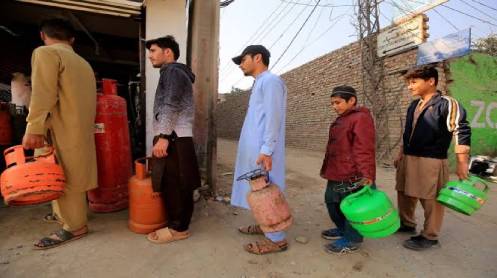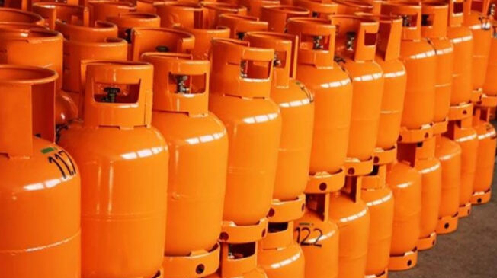
QUETTA: Liquefied petroleum gas (LPG) supplies from Iran have resumed through Pakistan-Iran border crossings, easing market prices and raising expectations of further reductions if imports continue uninterrupted, industry sources said.
Thank you for reading this post, don't forget to subscribe!LPG importer Shaukat Isa Zai said prices had already declined following the resumption of supplies and could fall further as additional consignments reach the domestic market.
According to Isa Zai, approximately 400 LPG containers entered Pakistan through the Taftan border crossing and another 1,300 through the Gabd crossing over the past two days.
Separately, Senator Muhammad Abdul Qadir welcomed the reopening of the Gabd and Rimdan border crossings for trade between Pakistan and Iran, expressing hope that improved supplies would translate into lower prices and better availability for consumers.
He emphasised that reliable fuel supplies were particularly important with winter approaching, especially for residents of remote and colder areas of Balochistan.
The senator urged the relevant authorities to expedite the clearance of LPG tankers to ensure a steady flow of supplies into the domestic market. He also called for effective monitoring to prevent hoarding and profiteering and ensure that the benefits of increased imports reached consumers.
The development follows a clarification by Iranian Ambassador to Pakistan Reza Amiri Moghadam, who said Iran had not imposed restrictions on exports to Pakistan, including LPG, amid reports of possible border closures.
In a statement posted on X, the ambassador said Iran’s borders with all neighbouring countries remained open.
The resumption of LPG supplies could help ease pressure on Pakistan’s domestic market, particularly ahead of the winter season when heating and cooking fuel demand typically increases. However, the extent of any further price reduction will depend on the continuity of imports, market supply conditions and the effective monitoring of distribution and retail prices.